Spot Repair vs. Reroute vs. Repipe: Which Slab Leak Fix Is Right?
You finally have an answer: the leak is under the slab. Now comes the next question, and it can feel just as stressful. Do you open the floor and fix that one spot, run a new line around it, or replace the plumbing in the whole house?
Each option is the right call in some homes and the wrong call in others. The best fix depends on where the leak is, which line it’s on, and the condition of the rest of your pipes, not on which option a company happens to prefer.
This guide explains how spot repair, rerouting, and whole-house repiping work, when each one makes sense, and the questions that decide which one fits your home.
The Short Answer
Option 1
Spot repair
What it is: Open the concrete over the leak, fix that section of pipe, and patch the slab.
Usually best when: It’s a single leak, it’s easy to reach, and the rest of the pipe is in good shape.
Option 2
Reroute
What it is: Leave the leaking line in the slab and run a new line through the walls or attic to bypass it.
Usually best when: The leak is under tile, cabinets, or flooring you don’t want to break, or that line has already leaked before.
Option 3
Whole-house repipe
What it is: Replace the home’s supply plumbing with new pipe, usually routed through walls and ceilings.
Usually best when: You’ve had repeat leaks, or the pipes show wear in more than one place.
Before You Choose: Know Exactly Where the Leak Is
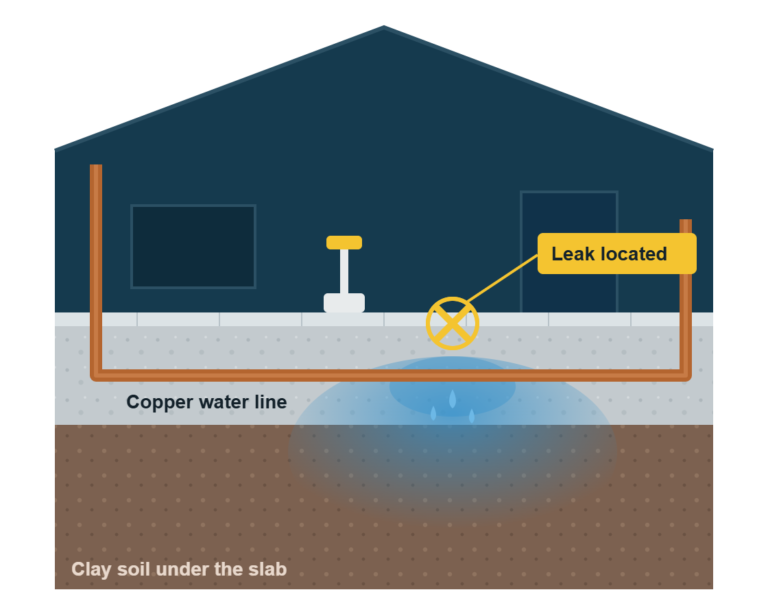
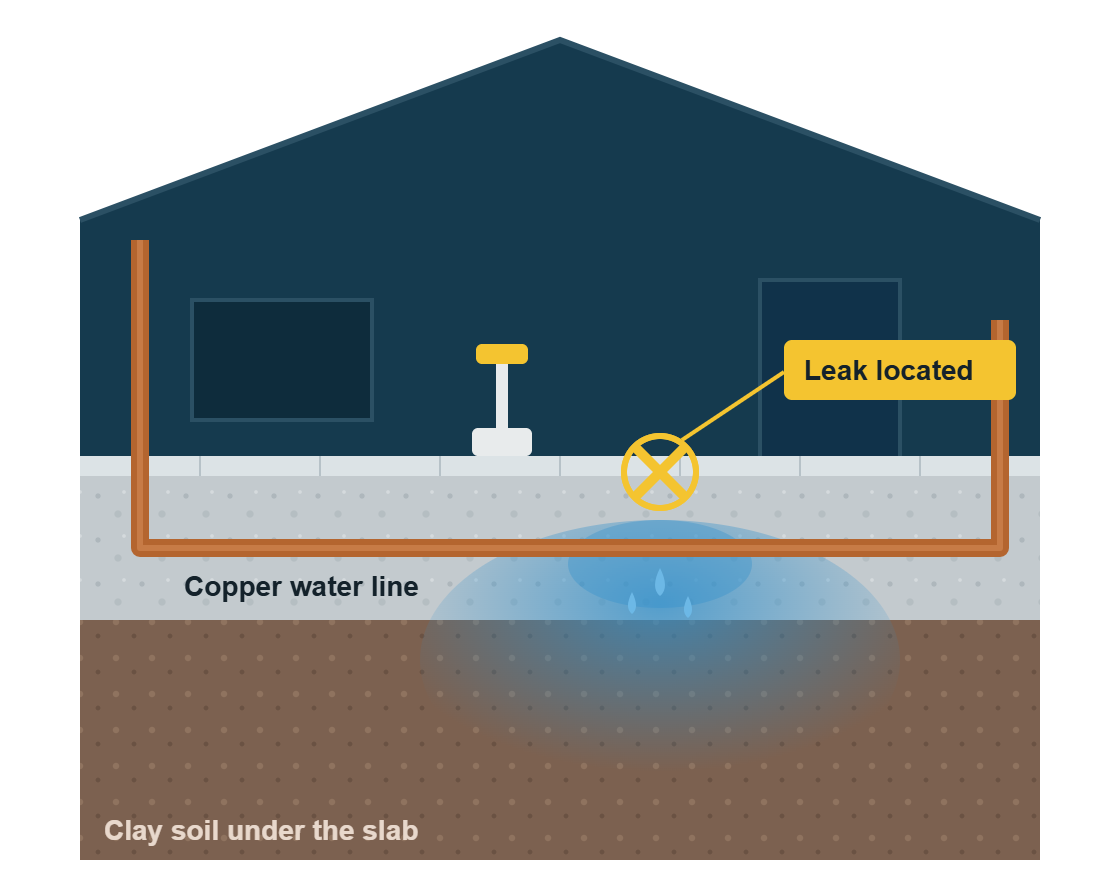
None of these decisions can be made well until the leak has been precisely located. A spot repair only works if the concrete is opened in the right place. A reroute needs to know which line, and which section of it, has failed. And whether a repipe is worth it depends on what the pipes actually look like.
If you only know the general area, start with slab leak detection. Our guide on how to find a slab leak also walks through the checks you can do yourself first.
Option 1: Spot Repair (Direct Access)
A spot repair is the most direct fix. The technician opens a small section of concrete right above the leak, repairs or replaces the damaged piece of pipe, tests the line, and then fills and restores the slab.
How it works
Mark the exact spot where the leak was located.
Open the floor covering and concrete over that spot.
Repair the damaged section of pipe and pressure test it.
Fill and restore the concrete, then the floor covering.
Spot repair usually makes sense when:
Think twice when:
Spot repair fixes the leak you have. It doesn’t change the age or condition of the rest of the line, so it’s worth asking what the pipe looked like once it was exposed. Learn more on our slab leak repair page.
Option 2: Rerouting
With a reroute, the leaking line under the slab is cut off and left in place. A new line is run through the walls, ceiling, or attic to bring water to the same fixtures, so the floor over the leak doesn’t need to be broken.
Rerouting still involves some openings, usually small cuts in drywall where the new pipe runs. Those are patched afterward. Many homeowners prefer that trade-off, because drywall is easier and quieter to repair than concrete and finished flooring.
Rerouting usually makes sense when:
Think twice when:
See how it works in more detail on our slab leak rerouting page.
Option 3: Whole-House Repipe
A whole-house repipe replaces the home’s water supply lines with new pipe, usually run through the walls and ceilings instead of under the slab. It’s the biggest of the three jobs, but it’s also the only one that addresses the condition of the entire system, not just one leak.
A repipe usually makes sense when:
Think twice when:
If a company recommends a repipe, it’s fair to ask why, and to ask what they saw that supports it. More on our whole-house repipe page.
Side-by-Side Comparison
Is the floor opened?
What does it fix?
Size of the job
Chance of another leak on the same line
The exact scope and timeline depend on your home, the length of pipe involved, and what’s found once work begins, so ask for both in writing before you approve anything. For a step-by-step look, see how long it takes to fix a slab leak.
5 Questions That Decide the Right Fix
How many leaks have you had? A first leak points toward spot repair or a reroute. Repeat leaks point toward a reroute or repipe.
Where exactly is the leak? Under carpet or in a garage, spot repair is simpler. Under tile or cabinets, a reroute often costs less in restoration.
Is it the hot or cold line? Hot water lines often wear faster, which can make a reroute the better long-term choice.
What condition is the pipe in? Healthy pipe around the leak supports a spot repair. Visible wear suggests more leaks to come.
How long will you stay in the home? If you plan to stay for years, fixing the cause, not just the symptom, often pays off.
A Special Case: Hot Water Line Leaks
Hot water lines often fail first under a slab. Heat and constant use put extra stress on the pipe, and a leak on the hot side keeps your water heater running, too. Because a second leak on the same hot line is common, many homeowners choose to reroute it rather than patch one spot.
Read more on our hot water slab leak page.
Questions to Ask Before You Approve a Repair
Common Mistakes to Avoid
Frequently Asked Questions
The Bottom Line
There’s no single “best” slab leak fix. Spot repair is the most direct for a single, reachable leak. Rerouting avoids breaking the floor and replaces a line that’s likely to fail again. A whole-house repipe makes sense when the problem is the plumbing system, not one leak.
Whichever way you go, the decision should start with knowing exactly where the leak is.
Not sure which fix is right for your home?
Call Temecula Leak Experts at 1 (951) 355-0459. We locate the leak first, then walk you through your options. We’re open 24 hours.