How to Prevent Slab Leaks: 9 Ways to Protect Your Temecula Home
Most slab leaks start quietly. A pipe under the concrete wears down for years before it finally gives, and by the time you notice a warm floor or a high water bill, the damage is already done.
Here’s the honest part: not every slab leak can be prevented. The age of your pipes, how they were installed, and the soil under your home are mostly out of your hands. But several of the biggest risk factors are things you can control, and a few simple habits can help you catch a leak early, when it’s easier and cheaper to fix.
This guide covers what causes slab leaks, nine practical ways to lower your risk, and a simple monthly routine for Temecula homeowners.
What Causes Slab Leaks?
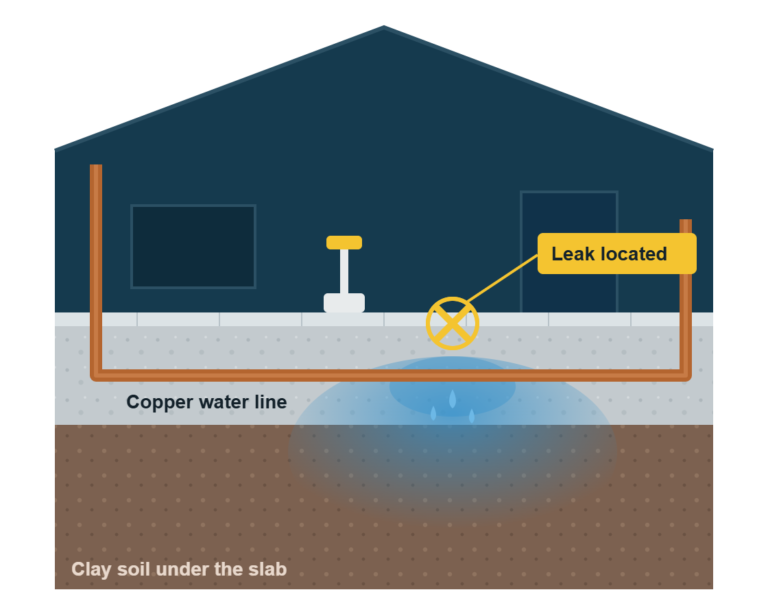
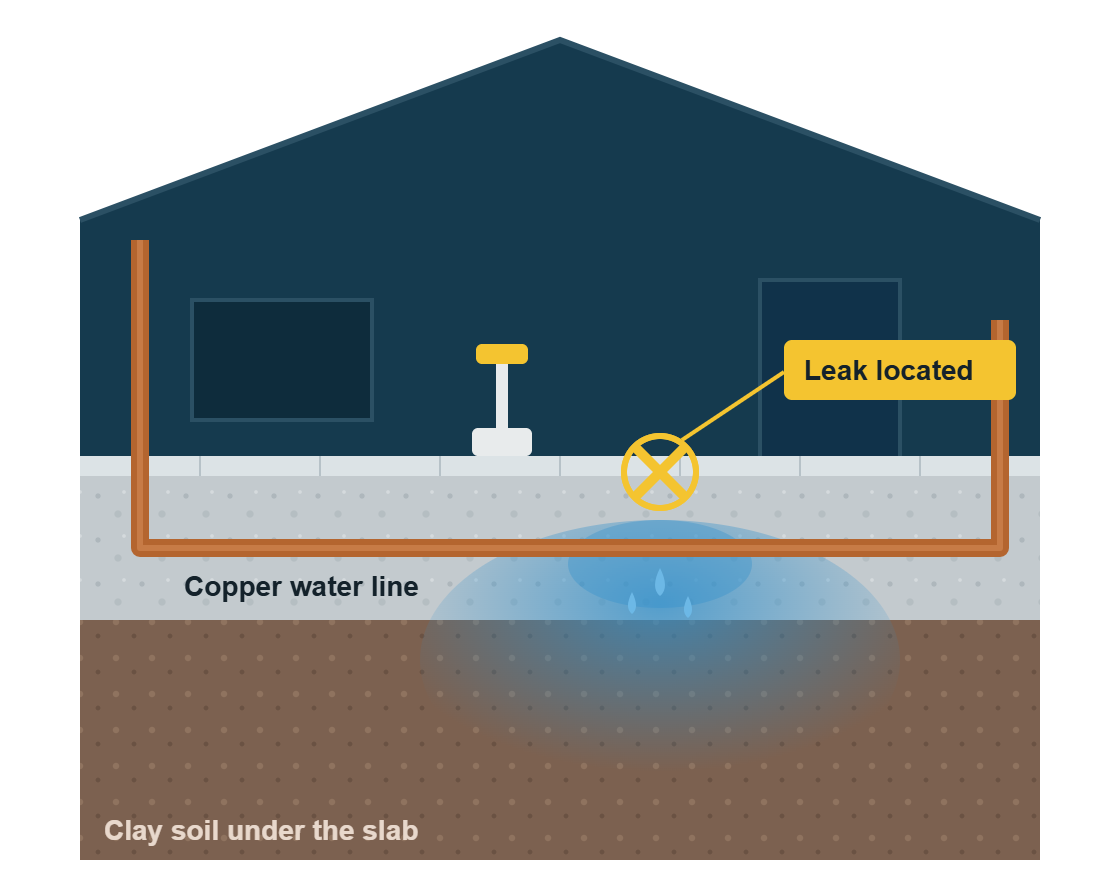
A slab leak happens when a water line running under or through your concrete foundation develops a hole or crack. The usual causes are:
What You Can and Can’t Control
Mostly out of your hands
The pipes you already have
How old the plumbing is, what it’s made of, how it was installed, and the type of soil under your home.
Within your control
How hard your plumbing has to work
Your water pressure, water heater temperature, how water drains around your foundation, and how quickly you catch and respond to a leak.
Prevention is really about the second card: reducing stress on the pipes and spotting problems early. For a deeper look at each cause, see what causes a slab leak.
9 Ways to Lower Your Slab Leak Risk
1. Check your water pressure
High water pressure is one of the most common, and most fixable, stresses on household plumbing. The California Plumbing Code generally calls for a pressure regulator when incoming pressure is above 80 psi.
You can check it yourself with an inexpensive pressure gauge that screws onto an outdoor hose bib. If it reads high, or if your home has a pressure regulator that’s old or failing, have a plumber take a look. Our how to find a slab leak guide shows how to use the same gauge for a simple leak test.
2. Keep your water heater at a sensible temperature
Hot water lines are often the first to leak under a slab, because heat makes pipes expand and contract every time hot water runs. The U.S. Department of Energy suggests 120°F for most households, which also lowers energy use and scald risk.
If your heater is set much higher than you need, turning it down is an easy, free step. Learn more about hot water slab leaks.
3. Think about your water quality
Much of Southern California has hard water, which leaves mineral buildup inside pipes and fixtures. Water chemistry can also affect how quickly some pipes wear. If you see heavy scale on faucets and showerheads, it may be worth having your water tested and talking with a water treatment professional about whether a softener or filter makes sense for your home.
4. Manage water around your foundation
Soil that swings between soaked and dry can move, and that movement can stress pipes under a slab. To keep the soil around your foundation more stable:
5. Watch your water meter and bill
A slab leak can run for weeks before you see any water. Your meter and your bill are often the first clues. Compare each bill with the same month last year, and do a quick meter check once a month: turn everything off and watch the leak indicator for a few minutes. If it moves, something is leaking. Our high water bill guide explains what to check first.
6. Know the early warning signs
Catching a leak early won’t stop it from happening, but it can limit the damage and the size of the repair. Watch for:
7. Consider a leak detector or automatic shutoff
Smart water monitors and automatic shutoff valves watch your home’s water flow and can alert you, or shut the water off, when they detect unusual use. They don’t prevent a pipe from failing, but they can turn a leak that runs for weeks into one you hear about in hours.
8. Treat the first leak as a warning
If you’ve already had one slab leak, the pipes around it may be the same age and in similar condition. When the leak is repaired, ask what the pipe looked like once it was exposed. If one line has already failed, rerouting it may be a better long-term choice than patching one spot. See spot repair vs. reroute vs. repipe.
9. Get the plumbing checked before problems start
If you’re buying an older home, or you’ve never had the plumbing looked at, a professional inspection can tell you a lot: your water pressure, the condition of the visible pipes, and whether there are signs of an existing leak. It’s much easier to plan for a repair than to react to an emergency.
A Simple Monthly Routine
Set a reminder on your phone and spend five minutes once a month:
Tip: While you’re at it, find your main water shutoff valve and make sure it turns. If a leak ever does happen, you’ll want to stop the water fast. Our slab leak emergency guide walks you through the first 30 minutes.
When Prevention Isn’t Enough
Even well-cared-for plumbing can leak, especially as it ages. If your meter keeps moving with everything off, or you notice a warm spot, damp flooring, or running water sounds, don’t wait. The sooner the leak is located, the more options you have.
Start with slab leak detection to find the exact spot. From there, the right fix may be a spot repair, a reroute, or, if leaks keep coming back, a whole-house repipe.
Frequently Asked Questions
The Bottom Line
You can’t control the age of the pipes under your slab, but you can control how hard they work and how quickly you notice a problem. Keep your pressure in check, keep your water heater at a sensible temperature, keep water away from your foundation, and check your meter once a month. Those habits won’t make your plumbing last forever, but they can buy time and turn a major repair into a smaller one.
Think you might already have a leak?
Call Temecula Leak Experts at 1 (951) 355-0459. We’ll find the exact spot before anything gets cut. We’re open 24 hours.