Warm Spot on Floor: Is It a Slab Leak? How to Tell for Sure
A warm spot on your floor can mean a hot water slab leak, or something harmless. Here’s how to measure it, rule out lookalikes, and confirm it.

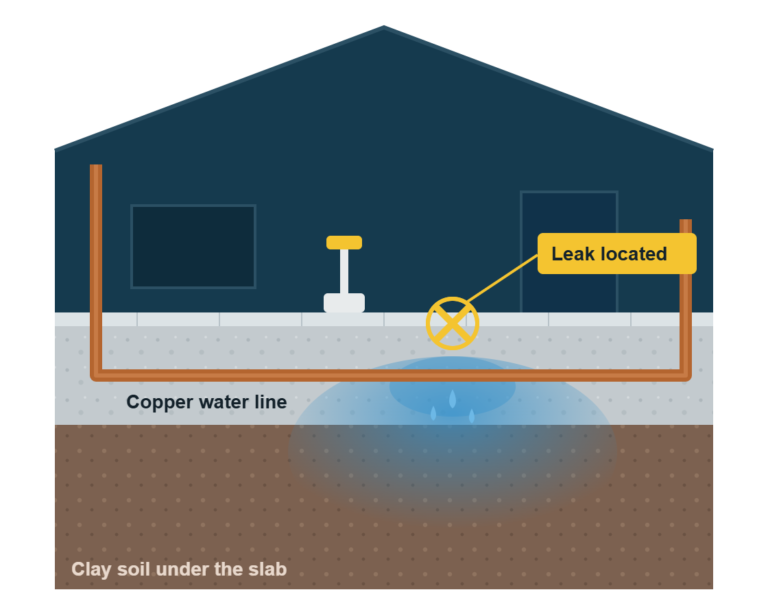
A warm spot on your floor can mean a hot water slab leak, or something harmless. Here’s how to measure it, rule out lookalikes, and confirm it.
How professionals detect slab leaks without breaking your floor: acoustic listening, thermal imaging, tracer gas, pressure tests, and when each works best.
Insurance often pays for slab leak damage and tear-out, but rarely the pipe. Learn how coverage works and what to check in your policy.
Slab leak repairs can take hours to a few days, but getting your home back to normal can take longer. A realistic, step-by-step timeline.
What actually causes slab leaks: pipe movement, pressure, corrosion, installation, and age. Plus which causes you can control.
Not every slab leak can be prevented, but many risks can be lowered. Here are 9 practical ways to protect the pipes under your Temecula home.
Spot repair, reroute, or whole-house repipe? Compare how each slab leak fix works, when it makes sense, and the questions that decide which one is right for your home.
How to find a water leak under a slab or concrete floor, from the meter test to a simple pressure gauge check, and when you need a pro to pinpoint it.
Water coming up through the floor? Here’s exactly what to do in the first 30 minutes of a slab leak, and what not to do.
Before you assume a slab leak, check these 7 common causes of a high water bill. A Temecula leak detection team explains what to look for.